Discovering you’re pregnant marks the beginning of an incredible 40-week journey. Understanding what happens each week can help you feel more prepared, reduce anxiety, and celebrate each milestone along the way. Whether you’re a first-time mom or adding to your family, knowing what to expect week by week makes this transformative experience more manageable.
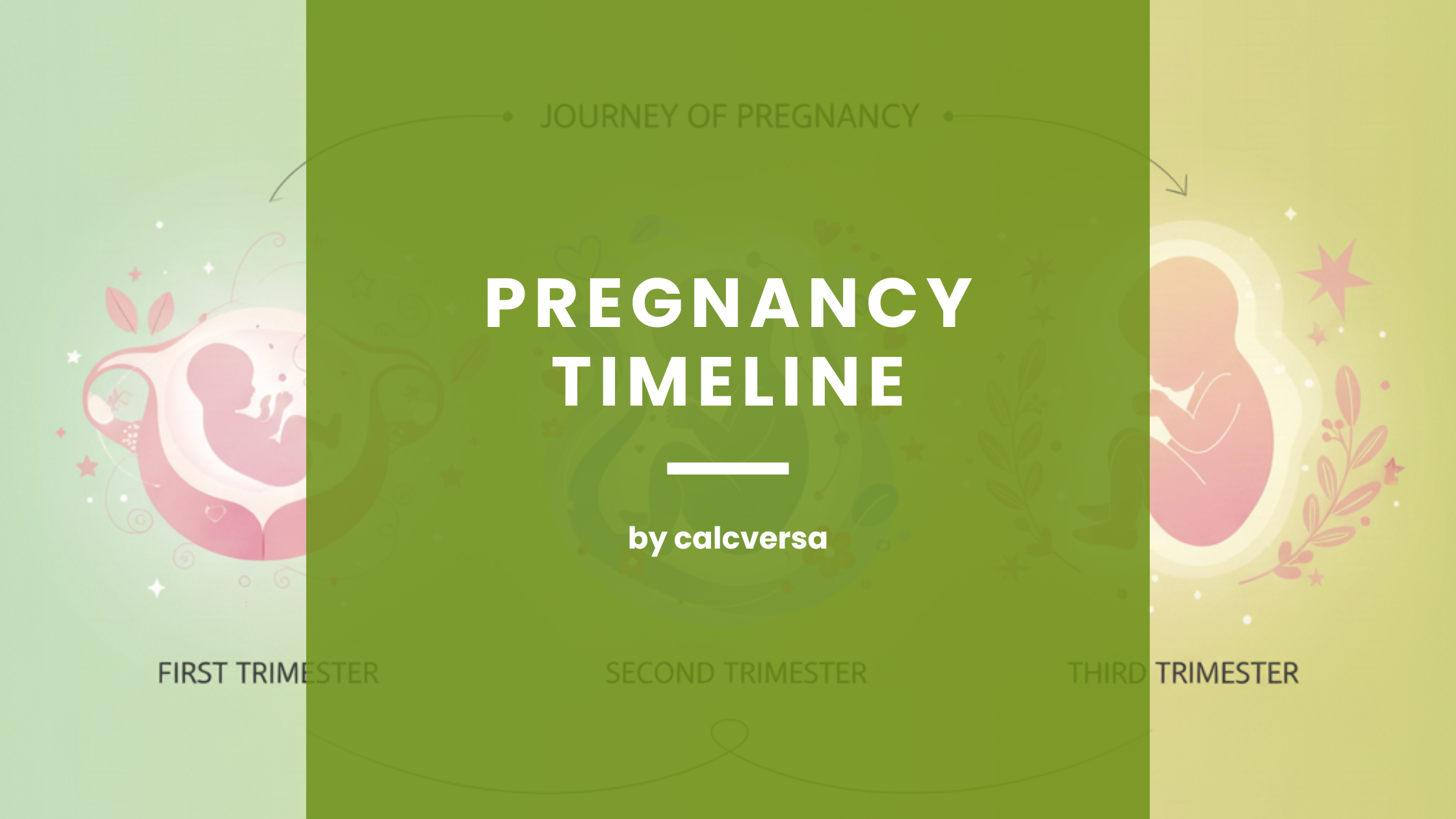
This comprehensive pregnancy timeline breaks down the three trimesters, highlighting key developments, common symptoms, and important appointments. You’ll learn what’s happening with your baby’s growth and how your body adapts throughout each stage.
By following this guide, you’ll be better equipped to make informed decisions, ask your healthcare provider the right questions, and embrace each phase of your pregnancy with confidence.
First Trimester: Weeks 1-13
The first trimester begins from the first day of your last menstrual period, even though conception typically occurs around week 2. This period is crucial for your baby’s foundational development.
Weeks 1-4: Conception and Implantation
During these early weeks, fertilization occurs and the embryo implants in your uterine wall. You might not know you’re pregnant yet, but major cellular division is underway. Many women experience light spotting during implantation, which is completely normal.
Weeks 5-8: Rapid Development
Your baby’s heart begins beating around week 5 or 6. Morning sickness often starts during this period, affecting up to 70% of pregnant women. Extreme fatigue is common as your body works overtime to support your growing baby. Vital organs, including the brain, spinal cord, and heart, start forming rapidly.
Weeks 9-13: First Trimester Completion
By week 13, your baby has developed all major organs and is now called a fetus. Fingers and toes are distinct, and facial features become more defined. Your first prenatal appointment typically includes confirming your due date and ordering initial blood work. Many women find that morning sickness begins to ease toward the end of this trimester.
Second Trimester: Weeks 14-27
Often called the “golden period” of pregnancy, the second trimester brings renewed energy and reduced nausea for most women.
Weeks 14-17: Feeling Better
Your energy levels improve significantly during these weeks. Your baby can now hear sounds and begins growing fine hair called lanugo. You might start showing a visible baby bump, especially if this isn’t your first pregnancy.
Weeks 18-22: Feeling Movement
Most women feel their baby’s first movements, called quickening, between weeks 18 and 22. Your anatomy scan, typically performed around week 20, checks your baby’s development and can reveal the sex if you want to know. Your baby’s movements become more coordinated as the nervous system develops.
Weeks 23-27: Growing Rapidly
Your baby’s lungs are developing, preparing for breathing after birth. Weight gain accelerates during this period for both you and baby. You might experience Braxton Hicks contractions, which are practice contractions that help prepare your body for labor.
Third Trimester: Weeks 28-40
The final stretch focuses on your baby’s growth and your body’s preparation for delivery.
Weeks 28-32: Preparing for Life Outside
Your baby’s brain develops rapidly, and sleep cycles become established. You’ll have more frequent prenatal appointments to monitor your baby’s position and your health. Heartburn and shortness of breath become more common as your uterus expands.
Weeks 33-36: Final Positioning
Your baby typically moves into a head-down position, preparing for birth. You might experience increased pelvic pressure and frequent urination as baby descends. Your healthcare provider will check for Group B strep and discuss your birth plan.
Weeks 37-40: Full Term and Ready
Your baby is considered full term at 37 weeks. Labor can begin any time now, so watch for signs like regular contractions, water breaking, or bloody show. These final weeks are about patience and self-care as you await your little one’s arrival.
Important Appointments and Tests Throughout Pregnancy
Regular prenatal care is essential for monitoring your health and your baby’s development. Here’s what to expect:
- First prenatal visit (weeks 8-12): Comprehensive health assessment and dating ultrasound
- Genetic screening (weeks 10-13 or 15-20): Optional tests to assess chromosomal conditions
- Anatomy scan (week 20): Detailed ultrasound examining baby’s development
- Glucose screening (weeks 24-28): Tests for gestational diabetes
- Group B strep test (weeks 35-37): Screening for bacteria that could affect baby during delivery
Managing Common Pregnancy Symptoms
Every pregnancy is unique, but certain symptoms are nearly universal. Here’s how to cope:
Nausea and vomiting: Eat small, frequent meals and keep crackers by your bedside. Ginger tea and vitamin B6 may help reduce symptoms.
Fatigue: Listen to your body and rest when needed. Prioritize sleep and don’t feel guilty about taking naps.
Heartburn: Avoid spicy and fatty foods, eat smaller portions, and don’t lie down immediately after eating.
Back pain: Practice good posture, wear supportive shoes, and consider prenatal massage or gentle yoga.
Swelling: Elevate your feet when possible, stay hydrated, and avoid standing for long periods.
Conclusion: Embracing Your Pregnancy Journey
Understanding your pregnancy timeline week by week empowers you to track your baby’s development and anticipate changes in your body. Remember that every pregnancy is different, so your experience may vary from this general guide.
Stay in close contact with your healthcare provider, attend all scheduled appointments, and trust your instincts. If something feels wrong, never hesitate to call your doctor or midwife.
Most importantly, take time to enjoy this special journey. Document your pregnancy through photos, journaling, or creating a baby book. These 40 weeks are fleeting, and before you know it, you’ll be holding your precious baby in your arms.